Wholesale
Ceramic Tiles - Wholesale Mosaic Murals
|
||||||||||||||||






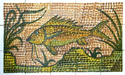
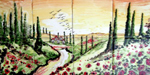
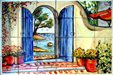
|
||||||||||||||||
|
Shop by concept: Tuscany murals French Country/Rooster Southwestern designs Gardenia/Floral tiles Arabesque design on tiles Moresque style City views Tile surround: Stair risers, fireplace mantels, mirror surround, border tiles Zelige Tiles Monochrome tile colors Sailboat themes Lighthouse themes Rainbow themes Victorian style murals 4"x4" - Accent tiles 6"X6" tiles Custom designs Your logo on tiles Wholesale |
Shop by use: Swimming pool tiles Numbered and lettered house signs Bathroom & shower mural Kitchen backsplash Flooring tiles/area rugs Mosaic medallions Decorative accent tiles Plain/Solid color tiles Assorted tiles Ceiling Tiles Hand painted murals Deck and patio tiles 
|
|||||||||||||||
| How to install ceramic tiles? How to Choose Tile for a Shower? Shower tiles serve two functions: They add to a bathroom's decor, and they protect the drywall underneath from moisture. There is no limit to how you can use wall Tiles, from borders to shower ... Tell me more Porcelain Tiles vs. Ceramic Tiles? Tile is a building material known for its durability, moisture resistance and low maintenance requirements. Tile is often used in kitchens and bathrooms but is fairly versatile and can be used in ... Tell me more Best Types of Tile for Kitchen Countertops? Tile kitchen countertops are an affordable alternative to traditional solid stone units. Countertop tile can be made from many of the most popular materials, such as granite or quartz, yet costs just a ... Tell me more Tips on Cleaning Bathroom Tiles? Bathroom tile is a classic, durable and practical choice for bathroom flooring and wall coverings, but even the most low-maintenance choices require some care and cleaning. If not cared for properly ... Tell me more How to Choose Tile Colors? The color and texture of tile helps set the tone of a room. A popular way to infuse color into kitchens, bathrooms and entryways, tile offers solid and variegated color choices, multiple patterns and ... Tell me more Tips on Tiling Around the Tub? Tile adds a touch of style in the bathroom while providing a water resistant surface that is easy to clean. With many sizes and colors of tile to choose from, your project can be as simple or ... Tell me more How to Install Tile Around a Toilet? You can't tile a bathroom without having to contend with the toilet. To install tile properly around the toilet, you need to affix it to the floor under the fixture. Because toilets sit on top of tile, any rough ... Tell me more How to Tile Over a Leveled Wood Floor? Once your wood sub-floor has been properly secured, sealed and leveled, you are ready to begin the tiling process. Whether you are using slate or ceramic, mosaic or hex tile flooring, this article ... Tell me more How to Use a Tile Cutter? Cutting tile is part of any tiling project. Different types of tile cutters are available, allowing you to perform small trims, straight cuts and hole cuts or complete a large project. Using the right tile ... Tell me more How to Tile Your Bathroom Floor? Installing floor tile is a simple procedure that you can accomplish by following specific steps. The result will be a beautiful floor and a sense of accomplishment because you have done it yourself ... Tell me more | ||||||||||||||||
| Interior designers - Installation - Payment - Contact Us - Advanced store search - View Portfolio - Links | ||||||||||||||||
|
At the other end of this web store, there is a seven Artists
strong Art Studio, in Nabeul,
Tunisia, for all your tiling
projects!
All our tiles are individually hand painted and fired, so each
tile is really unique. We offer motifs in a variety of designs:
Mediterranean, Italian, French, Spanish, Tunisian, Arabesque,
Antique Looking, Turkish, Persian, Southwestern, etc.
The web store offers
100's of motifs hand designed on tiles, for kitchen backsplash
projects, bathroom tiling, accent flooring,
wall coverings and swimming pools. We can also hand design your
idea on tiles.
Check out our
portfolio
and view the most exotic
wall mural
designs.
2005-2014 Copyrights © All Rights Reserved - CustomizedCeramicTiles.com, by MTZ Network Company |
||||||||||||||||
